
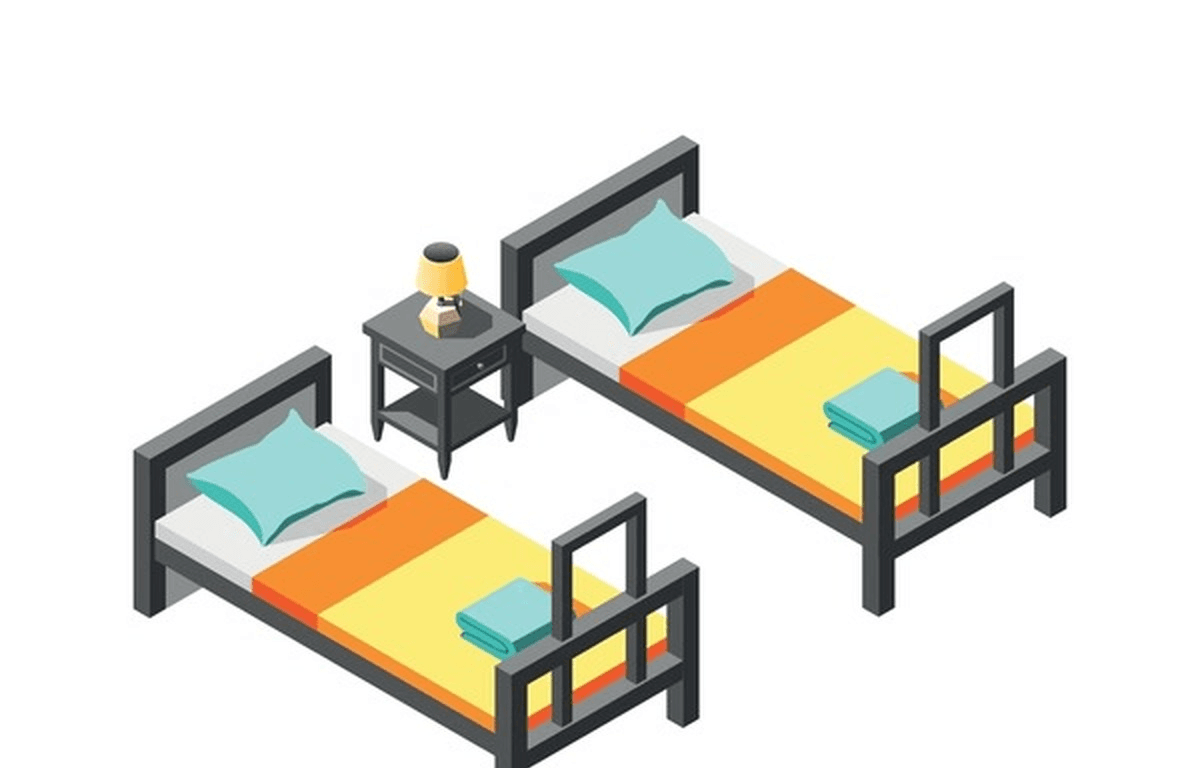
Quick answer: Good PG house rules are short, specific, fair and written down. Cover rent and payment, visitors, gate and quiet hours, food and kitchen use, cleanliness, safety, property care and how complaints and exits work. Share them at joining, attach them to the agreement and apply them equally to everyone. Below is a sample list you can adapt.
Most PG conflicts are not about money. They are about noise, visitors, shared spaces and "nobody told me." House rules prevent these by making expectations clear before the first problem. They also give you something fair to point to when a tenant breaks a rule, so the conversation is about the rule, not about you.
Keep the list short enough that people read it. Fifteen to twenty clear rules work better than a three-page legal document.
Principles for writing rules
- Be specific. "No loud music after 10 PM" is clearer than "maintain silence."
- Explain the reason. A short reason, such as "for study and sleep," improves acceptance.
- Be fair and consistent. Apply the same rule to every tenant.
- Keep rules lawful and respectful. Do not violate privacy or dignity. Rules about safety, behaviour and shared use are fine, but avoid personal intrusion.
- Write the consequence. State what follows a breach, such as a warning, a fine or ending the stay.
- Get acknowledgement. Ask tenants to sign or confirm.
- Review regularly. Update rules when problems repeat.
Sample rules by category
Adapt the timings and amounts to your property. These are examples, not legal text.
1. Rent and payments
- Rent is due by the [5th] of each month through the payment link or UPI ID provided by the PG.
- A grace period of [3] days applies. After that, a late fee of ₹[ ] per day (up to ₹[ ]) is charged as per the agreement. See PG late fee policy.
- Cash payments must be made only to authorised staff and a receipt must be taken.
- The deposit is refundable as per the agreement after move-out and inspection.
2. Gate timings and access
- The main gate closes at [11 PM]. Residents returning later must inform the manager in advance.
- Each resident gets one key or access card. Losing it will be charged at replacement cost.
- Do not share your key, card or building access with others.
- Residents must close doors and gates behind them.
3. Visitors
- Visitors are allowed in the common area between [10 AM and 8 PM], with prior information to the manager.
- Visitors may not stay overnight unless approved in writing by the owner.
- Residents are responsible for their visitors' behaviour.
- Visitors must record name and phone number at the entry register.
Rules for women's PGs and girls' hostels may be stricter. See women's PG safety and security protocols.
4. Noise and behaviour
- Quiet hours are from [10 PM to 6 AM]. Use headphones for music and calls.
- Be respectful to roommates, staff and neighbours.
- Harassment, abuse, fighting and discrimination are not allowed and may lead to immediate action.
- Smoking, alcohol and illegal substances are prohibited inside the premises [adapt to your policy and local law].
5. Food and kitchen
- Meals are served at the timings shown on the notice board.
- To skip a meal, inform [the manager by time ] to avoid waste and billing issues.
- Cooking in rooms is not allowed unless a common kitchen is provided and used according to its rules.
- Clean up after using the common kitchen or dining area.
6. Cleanliness and shared spaces
- Keep your room, bed area and belongings tidy.
- Dispose of waste in the right bins. Do not throw waste from windows or balconies.
- Share bathrooms and common areas considerately and leave them clean.
- Housekeeping schedule: [days and times]. Please keep valuables secured.
7. Electricity, water and appliances
- Switch off lights, fans and appliances when leaving the room.
- Personal appliances such as heaters, irons and induction cookers are allowed only if approved, because of electrical load and fire risk.
- Report leaks and faults immediately.
- Electricity is charged as per the method in the agreement. See electricity bill split methods.
8. Safety and security
- Do not tamper with fire equipment, CCTV or electrical panels.
- Know the location of fire exits and extinguishers.
- Report suspicious people or activities to the manager.
- Do not block corridors or exits with personal belongings.
9. Property care
- Do not drill, paint, stick posters that damage walls or move furniture without permission.
- Damage beyond normal wear and tear will be charged as per the agreement.
- Keep the room's items and inventory as recorded at move-in.
10. Complaints and communication
- Raise complaints with the manager or through the app or number provided.
- Complaints are acknowledged within [24 hours] and tracked until closed. See PG complaint management.
- Important notices are shared on the notice board and by message.
11. Notice and move-out
- Notice of [30] days is required as per the agreement. See PG notice and lock-in rules.
- Rooms will be inspected on the last day, and keys and cards returned.
- The deposit is settled after inspection and clearance of dues.
12. Consequences of breaking rules
- First breach: verbal or written warning.
- Repeated or serious breach: a fine as per the agreement, or a notice to vacate.
- Illegal activity or serious safety threats may lead to immediate action and, if needed, reporting to the authorities.
How to roll out the rules
- Print or share the rules in a clean, simple format.
- Explain the top five at joining. See the onboarding checklist.
- Display a short version on the notice board.
- Send a reminder when you change anything.
- Record acknowledgement, a signature or a message reply.
Mistakes to avoid
- Too many rules, so nobody reads them.
- Vague rules that cannot be enforced.
- Different rules for different tenants.
- Rules that are unreasonable or invade privacy.
- Changing rules suddenly without notice.
- Fines with no written basis.
- Not enforcing a rule you wrote.
Keep rules and notices easy to share
A digital notice board and tenant app make rules and updates easier to share. The PG Master Owner App supports announcements to tenants, and the tenant app keeps information in one place. See the guides on digital notice boards and announcements and tenant management.
Frequently asked questions
Are house rules legally binding? When they form part of a signed agreement or are clearly accepted by the resident, they are generally easier to rely on. For enforceability in a specific state, check with a local lawyer.
How many rules should a PG have? Enough to cover the main areas, usually 15 to 20 clear rules. Too many makes the list hard to follow.
Can I charge a fine for breaking rules? Only if the fine is stated in the agreement or rules in advance, and it is reasonable. Apply it consistently.
Should rules differ for men's and women's PGs? Some rules, such as visitor policies and gate timings, are often stricter in women's PGs for safety. They must still be reasonable and applied fairly.
How do I handle a tenant who keeps breaking rules? Give a written warning, record the incident and, if it continues, follow the notice and termination process in your agreement.
Share them clearly
Adapt this list, share it at joining and keep a copy with each agreement. To send notices and rules to all tenants in one place, try the PG Master Owner App or book a demo.
Stop Chasing Rent & Juggling Spreadsheets
ApnaRent helps 170+ owners send automated WhatsApp rent reminders, track live bed vacancy, collect digital KYC, and reconcile expenses in real time.

More from ApnaRent
View all articles Starting a PG
PG vs Hostel vs Co-Living: Which Model Should You Run?
ApnaRent · 6 Jan 2027 · 7 min
 Finance and Profit
PG Owner KPIs: 10 Metrics to Track to Grow Profit
ApnaRent · 5 Jan 2027 · 7 min
 Finance and Profit
PG Owner's Monthly Closing Checklist: Rent, Expenses and Reports
ApnaRent · 2 Jan 2027 · 7 min